Do You Need an EICR When Selling a House? What Brentwood Homeowners Should Know
Published
· Volt East Group
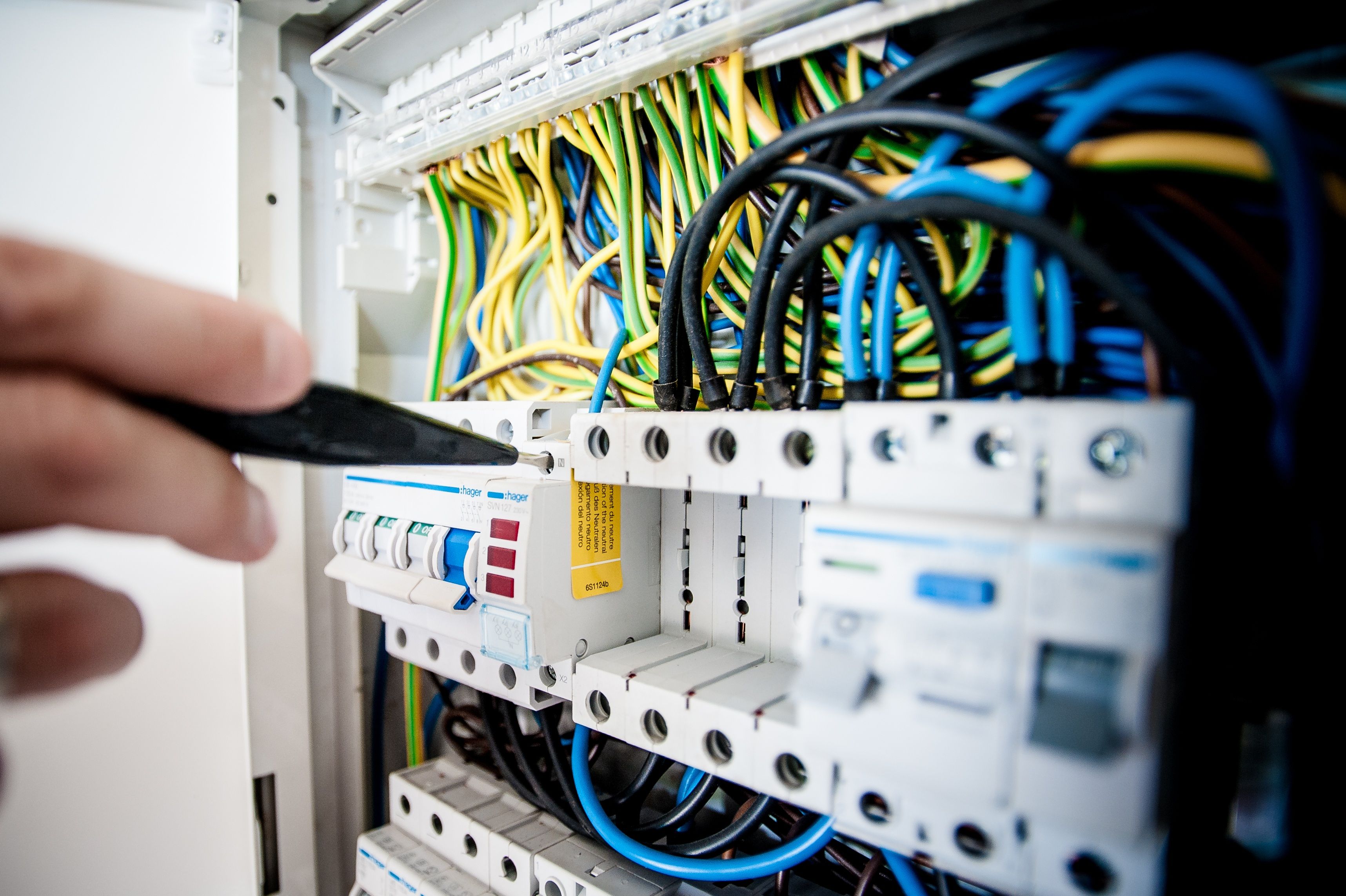
If you are getting ready to sell your home in Brentwood, it is completely normal to wonder which certificates you actually need and which ones are simply helpful to have.
One question comes up all the time: do you need an EICR to sell a house?
The honest answer is no, not in most owner-occupied sales. An Electrical Installation Condition Report, or EICR, is not usually a legal requirement just because you are putting your home on the market. But that does not mean it is irrelevant. In plenty of sales, it can still be the thing that stops uncertainty turning into a last-minute problem.
The straight answer first
If you own and live in the property yourself, you do not normally need to arrange an EICR just to sell it. Electrical Safety First states that an EICR is not a legal requirement in order to sell a property. What is legally required in most cases is an EPC, which must be available when a property is being marketed for sale.
That said, electrical paperwork can still become part of the conversation. NICEIC notes that when selling or renting a property in England and Wales, you may be asked to provide documents such as an Electrical Installation Certificate, Minor Electrical Installation Works Certificate, or a Building Regulations Certificate of Compliance for previous electrical work.
So while an EICR is not usually mandatory for a normal house sale, having the right electrical information to hand can make the process much smoother.
Why sellers still choose to get one
In real life, most house sales are not held up because of a missing EICR alone. They are held up because a buyer, surveyor or solicitor spots something that raises questions.
That could be:
an older consumer unit
repeated tripping
visible added wiring or past alterations
missing certificates for previous work
a property that has clearly been extended or refurbished over the years
When that happens, the buyer may ask for reassurance, request a price reduction, or arrange their own inspection before moving forward.
An EICR can help because it gives a current snapshot of the condition of the fixed electrical installation. Electrical Safety First and NICEIC both recommend regular inspection of owner-occupied homes, commonly at around every 10 years, and Electrical Safety First also lists before selling or buying a previously occupied property as a sensible time to have an inspection carried out.
What an EICR actually tells you
A lot of homeowners assume an EICR is just a certificate that says everything is fine. It is a bit more useful than that.
It is an inspection and test of the fixed wiring in the property. The electrician checks the overall condition of the installation, looks for wear, damage, outdated protective measures, and anything that could create a shock or fire risk. NICEIC explains that the outcome is either satisfactory or unsatisfactory, and if issues are coded C1, C2 or FI, the report is unsatisfactory. C3 means improvement recommended, but on its own does not make the report unsatisfactory.
In plain English:
C1 means danger is present and immediate action is needed
C2 means potentially dangerous and urgent remedial work is needed
FI means further investigation is required without delay
C3 means improvement is recommended, but it is not automatically a fail
That matters when selling because it helps you separate genuine safety issues from items that are more about modern standards than immediate danger.
When getting an EICR before selling is a smart move
You probably do not need to rush into one if your electrics are modern, the consumer unit is in good condition, and you already have certificates for recent work. Read our "Common electrical problems article" to learn more on how to spot faults and how to fix them.
It becomes a much smarter move if any of the following apply:
1. Your home has older electrics
If the property has not had a meaningful electrical check in years, an EICR can uncover issues before a buyer does. That gives you the chance to fix problems on your own terms rather than under pressure halfway through a sale.
2. You do not have paperwork for previous electrical work
If you have had a consumer unit replaced, new circuits added, a kitchen redone, or garden power installed, buyers may ask what was done and whether it was properly certified. NICEIC specifically notes that sellers may be asked for electrical certificates and Building Regulations compliance documents.
3. The buyer is already nervous
Some buyers are relaxed. Others will question anything that looks old or unfamiliar. If the fuse board looks dated or the survey flags the electrics, an EICR can stop the conversation becoming vague and expensive.
4. You want fewer surprises once the sale is moving
This is often the best reason of all. If something serious is going to come up, most sellers would rather know early than deal with a renegotiation just before exchange.
What if you do not get one?
Your sale can still go through.
There is no general rule saying you must produce an EICR to complete the sale of an owner-occupied home. But if a buyer asks questions, you may have fewer ways to reassure them. In practice, that can lead to one of three outcomes:
the buyer accepts the risk and carries on
the buyer asks for money off
the buyer requests testing or remedial work before proceeding
This is especially common where a property has obvious age, extensions, or signs of piecemeal alterations.
Do not confuse selling rules with landlord rules
This catches people out all the time.
For a normal owner-occupied sale, an EICR is usually optional. For landlords in England, electrical safety checks are a legal duty. Current government guidance says rented properties must have the electrical installation inspected and tested at least every five years by a qualified person.
So if you are selling a house you live in, that five-year landlord rule does not automatically apply to you. It is a different legal situation.
A sensible checklist before you put the house on the market
If you are selling in Brentwood and want to keep things simple, this is the approach that usually makes the most sense.
Gather whatever paperwork you already have
Look for:
Electrical Installation Certificates
Minor Works Certificates
Building Regulations Compliance Certificates
any previous EICR
your EPC
Even if you do not have everything, gathering what you do have can save a lot of back and forth later. EPCs are required for most property sales, while NICEIC says electrical certificates for completed work may also be requested during a sale.
Be honest about the condition of the electrics
If the electrics are modern and trouble-free, you may not need to do anything extra.
If you have flickering lights, nuisance tripping, an older fuse board, warm sockets, or a patchwork of old and newer alterations, it is usually better to investigate before the buyer starts asking questions.
Consider an EICR if the property is older or the history is unclear
It is not about overcomplicating the sale. It is about replacing guesswork with evidence.
If the report comes back satisfactory, great. If it does highlight issues, you can decide whether to fix them, disclose them, or factor them into negotiations.
Brentwood sellers often benefit from clarity, not overkill
A lot of homes around Brentwood have had upgrades over time rather than one full electrical overhaul in a single go. That is not unusual at all. New kitchen here, loft conversion there, outside power added later, then maybe a consumer unit change somewhere along the line.
That sort of history is exactly why paperwork and condition reports matter. You do not necessarily need a full stack of new certificates before selling, but you do want enough clarity that a buyer feels confident moving ahead.
Final thought
So, do you need an EICR when selling a house in Brentwood?
Usually, no.
But if your electrics are older, the paperwork is patchy, or you want to avoid awkward surprises once the sale is progressing, getting one can be a very sensible step. It gives you a clearer picture of the installation, helps answer buyer concerns, and can make the whole process feel less uncertain.
If you are unsure whether your home would benefit from a check before it goes on the market, this is exactly the sort of thing worth discussing with a qualified electrician before it becomes a bigger issue.
Plan your next project with Volt East
Use our practical guides to prepare the brief, then speak to Volt East about electrical installation, lighting design, security or smart-home work across Romford, Essex and London.