Consumer Unit Upgrades in London & Romford: When Do You Actually Need One?
Published
· Volt East Group
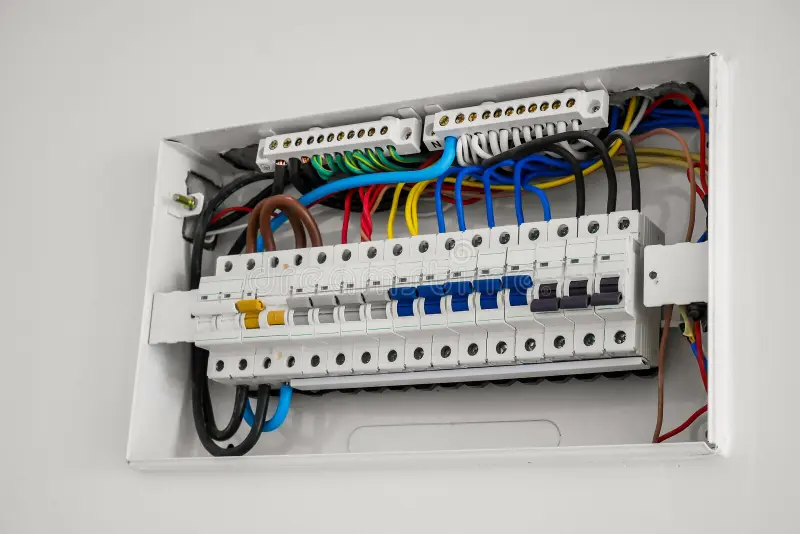
If you own a home or rental in London or Romford, you have probably heard an electrician mention your “consumer unit” or “fuse box” at some point. Maybe you have flickering lights, circuits that trip for no clear reason, or a very old board with rewireable fuses and you are wondering if you need a full upgrade.
This guide will walk you through what a consumer unit does, the real world signs that it might be time to replace it, how UK regulations fit in and what happens on the day of the upgrade.
What does a consumer unit actually do?
Your consumer unit is the nervous system of your electrical installation. It:
Takes the incoming supply from the electricity meter
Distributes power around the home via different circuits
Uses protective devices to cut power when there is a fault
In a modern unit, those protective devices are usually:
RCDs (Residual Current Devices) to protect against electric shock
MCBs (Miniature Circuit Breakers) or RCBOs for overload and short circuit protection
Newer consumer units are designed to meet the current edition of BS 7671, which requires RCD protection for all new or significantly altered lighting circuits in domestic properties and higher standards of fault protection overall.
Signs it might be time to upgrade your consumer unit
There is no law that says you must replace a consumer unit every X years. However, there are strong clues that yours may be due an upgrade.
1. It is 20 to 25 years old or more
If your consumer unit is old enough to remember dial up internet, it probably predates the latest safety requirements. Many electricians suggest considering an upgrade if the unit is more than 20 to 25 years old, especially if it still uses rewireable fuses or has a wooden enclosure.
2. It has rewireable fuses or no RCD protection
Older fuse boxes often lack RCDs entirely and rely on fuse wire. Modern guidance highlights that one of the main reasons to upgrade is that newer boards include RCDs and MCBs or RCBOs which give far better protection against shock and fire.
If your board:
Uses fuse wire
Has no test buttons on the front
Has a brown wooden or very old metal case
it is worth getting it professionally assessed.
3. Your electrics keep tripping
Frequent tripping can point to overloaded or faulty circuits, or to an installation that is struggling to cope with today’s loads. Recent UK guidance notes that repeated tripping and flickering lights can indicate loose wiring, overloaded circuits or worn-out fittings that need expert attention.
A modern consumer unit, paired with any necessary remedial work, can help stabilise the system and protect it properly.
4. You are renovating, extending or adding big new loads
If you are:
Adding an extension or loft conversion
Creating a garden office
Installing an EV charger, hot tub or electric heating
you will probably need spare capacity in the board and up to date protection to satisfy current wiring regulations and, in some cases, manufacturers warranty conditions.
5. Your latest EICR flagged consumer unit issues
In practice, many upgrades are triggered by an EICR (Electrical Installation Condition Report). Electricians often recommend changing a consumer unit when an inspection finds issues such as wooden enclosures, lack of RCD protection or other significant defects, which can receive C2 codes on the report.
If your last EICR for a London or Romford property came back “unsatisfactory” due to the board, upgrading it is often the most efficient way to move to a safe, compliant position.
Safety and compliance: how regulations affect your fuse box
The current version of BS 7671 (18th Edition Wiring Regulations) sets the standard for design and protection in UK electrical installations. Among other things it requires:
RCD protection for all new or significantly altered lighting circuits in homes
Proper selection and coordination of protective devices that operate fast enough to keep users safe in the event of a fault
For landlords, electrical safety regulations now require periodic inspections at least every five years and many older consumer units will not pass without at least some remedial work.
If your board cannot reasonably be brought in line with these requirements, replacement is often the best route.
What actually happens during a consumer unit upgrade?
A lot of people picture chaos and mess when they hear “fuse box replacement”. In reality, a good electrician will keep things as controlled as possible.
A typical process with Volt East would look like:
Pre visit survey
We confirm your existing board type, location and main earthing and bonding arrangements. For some homes this can be done from photos before we arrive.Power off and safe isolation
We isolate the supply and make sure everything is dead before touching any live parts. This is a legal and safety requirement.Labelling and transferring circuits
We identify existing circuits, remove old fuses or breakers and reconnect each circuit into the new unit using appropriate protective devices.Testing and certification
Once the new unit is in place, we carry out a full set of tests on each circuit to confirm correct operation and disconnection times, then issue the appropriate electrical installation certificate.Notification if required
Consumer unit replacements are notifiable work under Building Regulations Part P, so we notify Building Control through our scheme provider where required.
You end up with a neat, metal clad, RCD or RCBO protected consumer unit that meets current standards.
How much does a consumer unit upgrade cost in London and Romford?
Costs depend on:
How many circuits you have
Any remedial work needed on the wiring
Access and location of the existing board
Online guides suggest that for typical UK homes, consumer unit replacement sits in the low to mid hundreds of pounds, with higher costs where extra work is needed to bring the rest of the installation up to standard.
Volt East will always survey first and give a clear, itemised quote so you know exactly what is included.
When a consumer unit upgrade might not be urgent
Sometimes, an older consumer unit can still be safe enough in the short term if:
It has been recently tested with a satisfactory EICR
Protective devices are operating correctly
You are not adding heavy new loads or major alterations
In that case, an electrician might recommend planning an upgrade over the next few years rather than rushing. This is why an honest assessment is important: not every old board has to be changed tomorrow.
Not sure if your fuse box is still safe or if it will fail your next inspection?
Contact Volt East for a consumer unit and safety review across London, Romford and the surrounding areas.
We can check your existing setup, advise whether an upgrade is really needed and, if so, plan it in a way that fits your budget and schedule.
How Volt East helps homeowners in London and Romford
Volt East works with homeowners, landlords and small businesses across East London, Romford and Essex to keep electrical installations safe, modern and compliant.
We can:
Combine consumer unit upgrades with EICR testing
Tidy up previous DIY wiring and legacy add ons
Prepare your installation for future additions like EV chargers and home automation
You can read more about our services on:
EICR Testing
Lighting and Electrical Installation
Home Automation (ideal if you plan to add smart control later)
Consumer unit upgrade FAQ for London & Romford
Do I legally have to upgrade my consumer unit?
There is no specific law that says you must replace the board itself after a set number of years. However, your installation as a whole must meet current safety standards. If an EICR or other inspection shows serious issues that cannot be resolved without upgrading the unit, replacement effectively becomes necessary for compliance.
How long does a consumer unit replacement take?
For a typical flat or small house, expect most of a day on site. Larger homes or those with complex wiring may take longer, especially if remedial work is needed on circuits at the same time.
Will I be without power all day?
You will have some downtime while the board is being replaced and tested, but we plan the work to minimise disruption. In many cases, power can be restored to most circuits before final documentation is completed.
Is upgrading my consumer unit worth the money?
If your existing box is very old, lacks RCD protection or is causing regular nuisance tripping or faults, then yes, the safety and peace of mind alone are worth it. The cost of not upgrading can be much higher if a fault leads to fire, shock or a failed inspection when you come to sell or rent out the property.
Let’s get you some clarity
If your consumer unit is old, unreliable or has been flagged on an inspection report, now is the perfect time to get clarity.
Volt East can inspect, advise and where needed, upgrade your consumer unit so your London or Romford property is protected for the future.
Need clarity on the existing installation? Book an EICR first, or explore our electrical installation service for consumer-unit and wiring upgrades.
Plan your next project with Volt East
Use our practical guides to prepare the brief, then speak to Volt East about electrical installation, lighting design, security or smart-home work across Romford, Essex and London.