Outdoor Security Lighting in the UK: What You Need to Know This Winter
Published
· Volt East Group
Outdoor security lighting is most useful when it helps people see where they are walking and makes key approaches to a home easier to understand after dark. In winter, entrances, paths and side access can feel very different by late afternoon. The aim is not to make a property as bright as possible. It is to create controlled, useful light where it is needed, without glare, nuisance or unnecessary spill beyond the boundary.
Start with the routes people actually use
Walk around the property at dusk and consider the front door, drive, paths, steps, side gate, rear door and any route to a shed, garage or garden room. Each place needs a slightly different response. A front entrance may benefit from gentle, reliable light; a narrow side passage may need a carefully aimed sensor; steps need light that reveals the surface rather than shining into someone’s eyes.
Front door and approach: clear visibility for visitors, keys and deliveries.
Drive and paths: light the walking route, not every wall or garden edge.
Side gates and rear access: cover the point of use without aiming light into neighbouring spaces.
PIR sensors, dusk-to-dawn control and timers
PIR sensors can be helpful where a light is only needed for a short period, such as a side gate or rear door. Their position matters. A sensor that faces a pavement, road, moving branches or an active neighbour’s route can trigger more often than intended. Set the detection area, duration and sensitivity to suit the location, then review it after dark rather than treating the first setting as final.
Dusk-to-dawn control can suit a front entrance or house number where predictable low-level visibility is useful. Timers can work for regular routines, while a manual override remains valuable for unusual evenings, guests or maintenance. A combination can be sensible, but each control should have a clear purpose. More automation is not automatically better if no one understands what will happen.
Light only the intended area
Glare can make a path harder to see by creating bright points and deeper shadows around them. Light spill can also disturb neighbours and wildlife. The GOV.UK guidance on light pollution explains why poorly directed artificial light can become a problem. Fittings should be aimed at the door, path or steps they are meant to serve, with shielding or positioning chosen to keep the beam controlled.
Coordinate lighting with CCTV, not against it
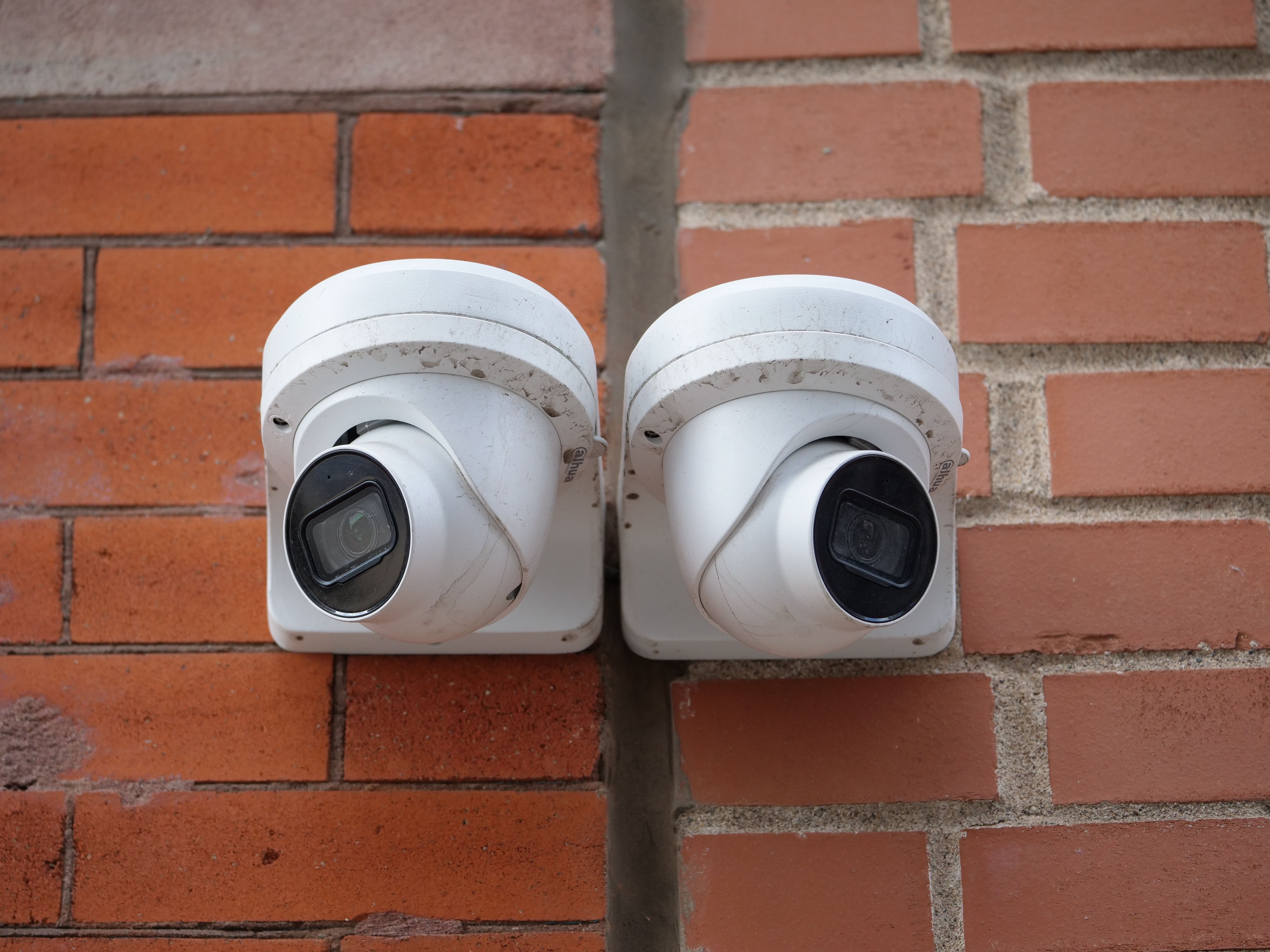
Lighting and cameras should be planned together. A poorly placed fitting can throw flare into a camera lens or leave a useful view in uneven shadow. A controlled, downward-facing light may help a camera show an entrance or gate more clearly, but the final setup depends on the position of both pieces of equipment. VoltEast can advise on lighting installation alongside CCTV installation when a wider home-security plan is being considered.
Outdoor equipment needs to suit the exposure
Outdoor fittings, cables and connections need to be appropriate for the specific place they are being used. A sheltered porch, exposed wall, low-level garden route and wet side passage do not present identical conditions. The right choice depends on weather exposure, physical damage risk, where water can collect and how the installation is protected. Avoid treating a single rating or product type as a universal answer.
Electrical Safety First’s garden safety guidance is a useful reminder that outdoor electrical work needs care around weather, damage and safe use. Periodic visual checks for cracked housings, loose fittings or damaged cabling are sensible, particularly after winter weather or garden work.
When professional installation may be relevant
Where work involves fixed wiring, a new circuit, changes to an existing outdoor supply or uncertainty about the condition of the installation, professional assessment is sensible. Building Regulations and Part P requirements can be relevant depending on the work and location. A registered electrician can assess the existing arrangement, select suitable equipment, protect cable routes and test the completed work without turning the article into a set of DIY instructions.
For related reading, see our guide to where outdoor security lights should be installed and our advice on garden lighting for winter evenings. You can also explore VoltEast’s lighting installation and CCTV installation services.
Short FAQ
Should every outdoor light use a motion sensor?
No. A front entrance may work better with controlled dusk-to-dawn light, while a side path may suit a sensor. Choose the control for the route and how it is used.
Can brighter lighting solve every security concern?
No. It is one practical part of making access and movement easier to see. Positioning, control and sensible wider home security measures matter too.
Final thoughts
The most useful outdoor security lighting is calm, controlled and specific to the property. It helps you use entrances and routes confidently in darker months while respecting neighbours and the surrounding area. If you are planning an upgrade in Havering, Essex or London, contact VoltEast to discuss a practical outdoor lighting and security setup.
A useful final check is to stand at each entrance and look back towards the house. If the fitting causes glare, leaves the latch or step in shadow, or sends light beyond the intended boundary, adjust the plan rather than adding more output. Small changes in height, direction and control timing often improve the result more than choosing a brighter fitting.
Review the system seasonally as daylight hours, planting and household routines change. A sensor that worked well in autumn may need a small adjustment once foliage, decorations or regular deliveries alter the approach.
Plan your next project with Volt East
Use our practical guides to prepare the brief, then speak to Volt East about electrical installation, lighting design, security or smart-home work across Romford, Essex and London.