Lighting Scenes, Remote Dimming, Style, Comfort & Control at Home
Published
· Volt East Group
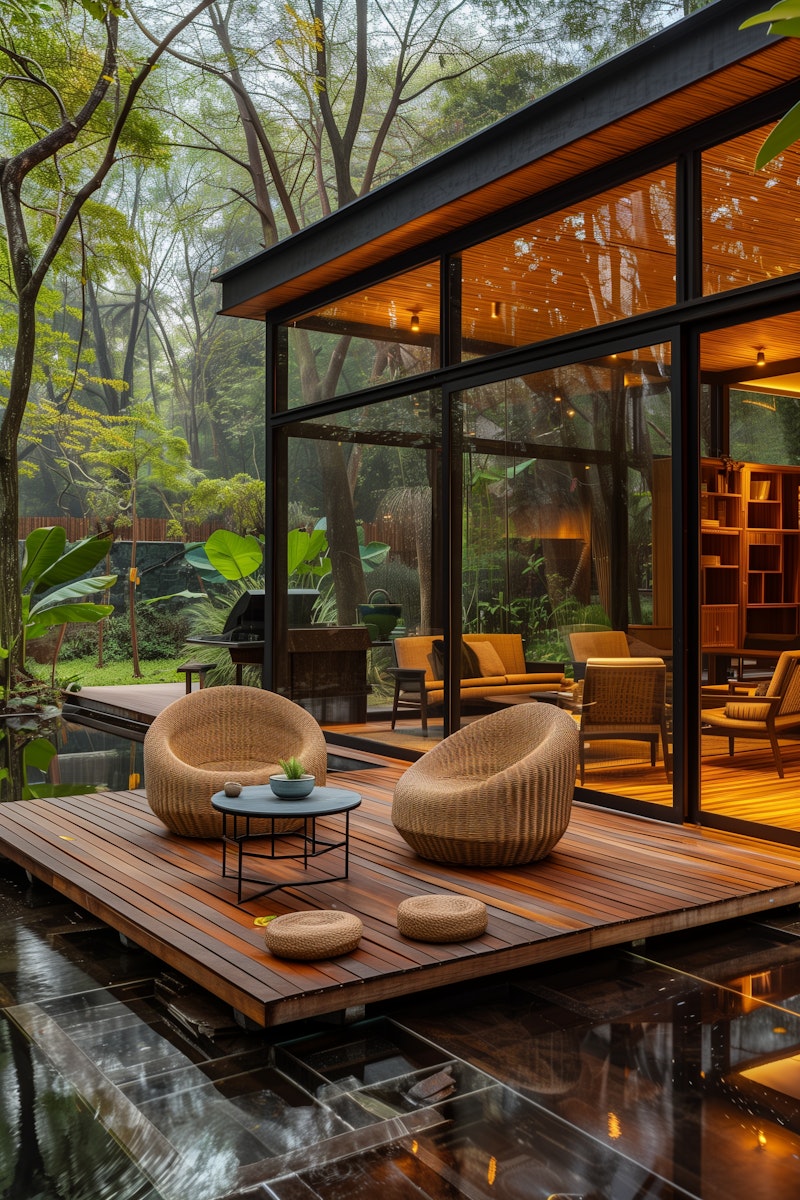
A lighting scene is not a flashy preset for showing off a new app. It is a coordinated set of lighting levels across a room, designed for what you are doing at that moment. In an open-plan home, one space may need to support breakfast, cooking, homework, dinner, a film and a late-night walk to the kitchen. A well-designed scene helps that room change character without making everyday use complicated.
What a scene actually controls
A scene coordinates zones rather than treating every fitting the same. The ceiling lights may come up to a practical level, the pendant over a dining table may soften, under-cabinet lighting may stay useful, and a wall or joinery light may add warmth. The result is more flexible than one switch controlling every light at full brightness.
Build the room in layers first
Good scenes begin with good lighting layers. Ambient light provides the general level that lets a room feel comfortably occupied. Task light makes practical activities easier, such as preparing food, reading or working. Accent light brings depth to a shelf, artwork, wall texture or feature. If a room only has one harsh source overhead, scenes can change its brightness but cannot create the same sense of choice.
Ambient: general, comfortable light for moving and socialising.
Task: focused light for cooking, reading, working or getting ready.
Accent: a softer layer that gives the room shape and atmosphere.
Useful scenes for a real home
Arrival
Arrival can bring the hall, kitchen route and a small amount of living-area light on at a welcoming level. It should make finding keys, bags and the kettle easy without turning the whole house into a brightly lit box.
Cooking and dining
For cooking, worktop and hob areas need clear, glare-controlled task light. When dinner is served, the same space can lower the general ceiling level and leave the table, pendants or soft perimeter lighting doing more of the work. These two scenes are particularly helpful in kitchens that flow directly into dining or living areas.
Entertaining, film and late night
An entertaining scene can keep the room bright enough for conversation while avoiding a flat, fully lit ceiling. Film time normally works better with gentle wall, joinery or floor-level light than complete darkness or a strong downlight directly above the sofa. A late-night scene may keep only a safe route through the room lit, which is kinder on tired eyes and less disruptive to others.
All off
An all-off scene is simple but genuinely useful. It reduces the chance of leaving several zones on when going upstairs or out, while allowing any agreed safety or external lighting routine to continue separately.
Remote dimming works only when the components agree
Remote dimming can be handled by a wall control, handheld remote, app, voice assistant or a combination. The experience depends on compatibility between the dimmer, driver and light source. A fitting marked dimmable is not automatically compatible with every control method, especially where LED drivers or smart modules are involved. Checking this before fittings are ordered avoids flicker, poor low-level dimming or controls that behave unpredictably.
Keep colour temperature consistent
A scene feels more settled when the main light sources in one visual area have compatible colour temperatures. Mixing noticeably cool and warm white fittings without a clear purpose can make an open-plan room feel disjointed. This does not mean every room needs identical lighting, but the relationship between the kitchen, dining area and lounge should be intentional, particularly where the spaces are visible together.
Make the simple option the obvious one
Every scene should earn its place. If a family needs a printed explanation to use the lights, there are probably too many options. Familiar wall controls should work without a phone, and scene labels should describe everyday actions rather than technical settings. App and voice control can be convenient, especially for adjustments from the sofa or when hands are full, but they work best as an addition to local controls rather than a replacement.
Commissioning and fine-tuning matter
Scene design should be checked in the room, after dark, with the household’s normal routines in mind. CIBSE’s guidance on the control of electric lighting treats commissioning and handover as part of successful lighting control. In a home, that means fine-tuning levels, confirming which controls operate which zones and keeping the system understandable once the installer has left.
For more ideas on the lighting layout itself, see our guide to interior lighting design for open-plan homes and our overview of smart lighting in 2026. VoltEast can also help with practical lighting installation and connected home automation where a wider control plan is needed.
Short FAQ
Can existing lights be added to scenes?
Sometimes, but it depends on the fitting type, wiring, dimming equipment and the condition of the existing installation. An assessment is the best way to understand what can be retained.
Are scenes only for large smart-home projects?
No. A small number of well-chosen zones can make a kitchen, living room or open-plan area easier to use without needing a complex whole-home system.
Final thoughts
Lighting scenes are about giving one room the flexibility to suit the way people actually live. Start with layered light, keep the controls clear and use automation only where it helps. If you are planning a lighting upgrade in Romford, Havering, Essex or London, contact VoltEast Studio to discuss a practical scheme with comfortable, dependable control from the first switch-on.
Plan your next project with Volt East
Use our practical guides to prepare the brief, then speak to Volt East about electrical installation, lighting design, security or smart-home work across Romford, Essex and London.