Boiler Wiring And Heating Controls: Get Your System Talking Properly
Published
· Volt East Group
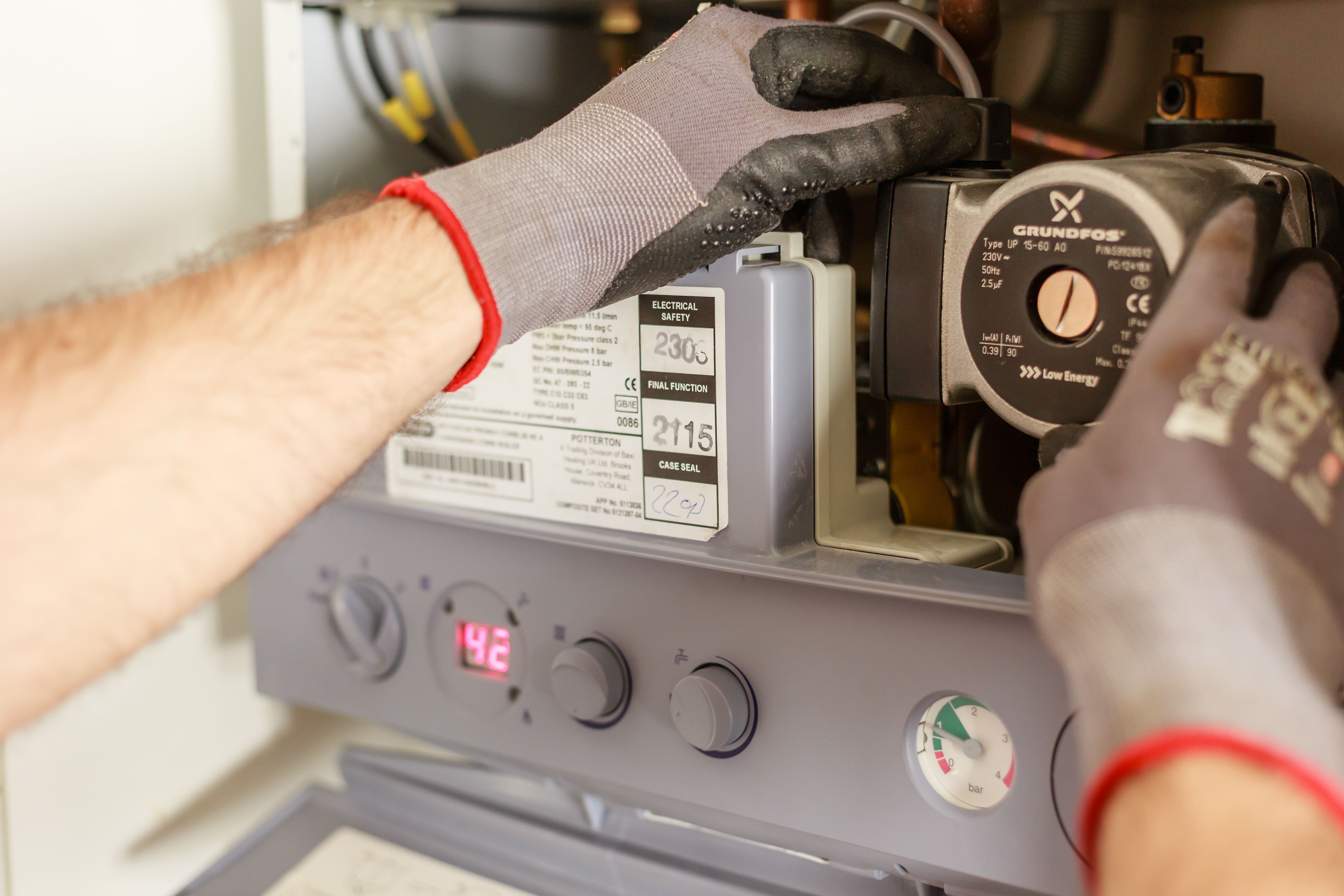
A lot of calls we get around Ilford, Barking and the rest of East London sound like this:
“The boiler is fine, but the thermostat does nothing”
“Hot water works, heating does not”
“We have had a new boiler but the controls are a mess”
Often the boiler itself is ok. The problem is in the wiring and controls between the boiler, wiring centre, valves and thermostats.
In this guide I will run through, in plain English:
Who should work on boiler electrics
What the main bits of heating controls actually do
Common wiring and control faults we see in Ilford and Barking homes
How to make your system easier and cheaper to run
Who should work on boiler electrics?
This is the bit that worries people, and for good reason. There are two trades involved:
The Gas Safe engineer who installs and services the gas boiler
The electrician who installs and tests the fixed wiring and controls
Gas Safe Register guidance is clear that only Gas Safe registered engineers can install, service or repair gas appliances and pipework.
At the same time, the Health and Safety Executive reminds landlords and owners that appliances and flues must be properly maintained and that electrics must be safe too.
On most sensible jobs around Ilford and Barking it works like this:
If there is already a suitable fused spur or supply point, the Gas Safe engineer can usually connect the new boiler into that existing supply.
If a new circuit, wiring centre, extra controls or consumer unit work is needed, that is work for a qualified electrician who can test and certify to BS 7671.
So if you are swapping like for like and everything else is modern, your heating engineer may handle the boiler side. If you are adding zones, smart controls or replacing a very old system, it is time to involve an electrician like Volt East.
What do all these heating controls actually do?
A lot of the systems we see are some version of S plan or Y plan with a wiring centre, programmer, room stat, cylinder stat and motorised valves. You do not need to know all the letters, but it helps to know the main parts.
Programmer or timer
This sets when your heating and hot water come on and off. The Energy Saving Trust say that using timers sensibly so you only heat your home when you need it can save a meaningful chunk on bills.
Room thermostat or programmable thermostat
A basic room thermostat turns the boiler on and off to maintain a set temperature. Programmable thermostats combine time and temperature in one so you can have different temperatures at different times of day.
Smart versions add app control, learning features and geofencing, which we cover in more depth in our smart home and heating articles.
Thermostatic radiator valves (TRVs)
These are the numbered knobs on radiators. They act like mini room stats, controlling flow to each radiator. Energy Saving Trust estimate that adding TRVs to a system with a programmer and room thermostat can save around 35 pounds a year on energy bills in Great Britain.
Wiring centre and motorised valves
In a typical S plan or Y plan system, a wiring centre is the junction box that ties all the controls together. Motorised valves decide where hot water goes: to radiators, hot water cylinder or both. Good technical guides show how the valves and stats interact so the boiler only fires when needed.
You should not have to stare at wiring diagrams yourself, but it is useful to know that if any one of these parts is miswired, you can end up with:
Heating with no hot water
Hot water that never turns off
Boiler running when all stats are “off”
That is exactly what we are called in to sort out.
Common boiler wiring and control faults we see in Ilford and Barking
New boiler on old wiring
A very common pattern is a shiny new boiler hung on wall, still running through wiring and controls that were old when dial up internet was new.
Issues we find:
Old junction boxes instead of proper wiring centres
No clear labeling of heating, hot water or pump connections
No effective boiler interlock, so the boiler cycles when there is no real demand
Manufacturer wiring guides from companies like Worcester Bosch show clearly how boilers should be supplied from a fused spur and wired back to a proper wiring centre with a switched live and neutral.
If the old controls cannot support that, they need updating.
Thermostat is not really in charge
We often see thermostats:
Wired incorrectly, effectively just acting as a glorified on/off switch
Put in bad positions such as right over a radiator or in a hallway nobody uses
Heating control guides emphasise that a room thermostat needs to sense a representative temperature for the home and must be wired so it actually controls boiler firing, not just a pump or valve.
When the stat is miswired or badly located, people end up running the system hotter and longer than needed.
Boiler and smart controls not speaking the same language
Smart thermostats are brilliant when they are wired and configured correctly. When they are not, you get:
Boiler firing constantly because the old controls were not fully removed
Two different stats fighting each other
UFH and radiators both demanding heat when they should be zoned
We always check:
How the smart thermostat is wired into the wiring centre
Which old controls need to be disconnected or left as “always on”
That there is a proper interlock so the boiler only runs when there is a real demand
If you are thinking about smart heating in Ilford or Barking, it is worth looking at how that ties into your wider home automation plans.
How better controls save money as well as hassle
This is not just about things working. Good controls save money.
Energy Saving Trust and other independent bodies highlight that:
Having a programmer, room thermostat and TRVs and using them properly can cut heating bills significantly.
Turning your thermostat down by one degree can save around 10 percent on heating costs for many homes, as repeated in multiple UK energy advice pieces.
Local councils and energy efficiency guides also stress that modern heating controls:
Protect pipes and boilers from frost damage with frost stats
Prevent overheating and wasted gas
Help keep rooms at more even, comfortable temperatures
In other words, getting the wiring and controls right pays you back every winter.
If you want to go deeper on saving energy, our earlier article on energy saving electrical upgrades and our piece on smart home heating controls are good companions to this post, and your web team can link those posts together for stronger SEO.
How Volt East approaches boiler wiring and controls
Here is how we normally tackle this kind of job in Ilford, Barking, Seven Kings and the surrounding areas.
1. Visual check and questions
We start by:
Checking the boiler, fused spur and consumer unit
Looking at the programmer, room stat, cylinder stat and TRVs
Asking what the system is actually doing wrong
If there are obvious electrical safety issues, we may suggest an EICR test first so you get a full picture of the wiring condition.
2. Test the wiring centre and controls
We then:
Open the wiring centre or junction box
Identify how valves and stats are wired
Test key connections and switched lives
We often find a tangle of legacy wiring from previous owners. Sorting that out can make a bigger difference than changing yet another thermostat.
3. Simplify and modernise where it makes sense
Sometimes the best fix is to:
Fit a modern wiring centre
Replace a tired old programmer with a programmable room stat or smart stat
Rationalise unused timers and frost stats
Any new fixed wiring is tested and certified in line with lighting and electrical installation standards.
4. Explain the controls in everyday language
One of the biggest problems we see is that people simply do not understand their controls. Research from energy advice services shows that many households find their heating controls confusing and do not use them properly.
So once we have rewired and tested, we always:
Walk through the programmer or app with you
Show you how to set times and temperatures
Suggest sensible starting settings for comfort and savings
Boiler wiring and controls FAQs for Ilford and Barking
Can my Gas Safe engineer wire the boiler and controls as well?
Often yes for like for like swaps, especially if there is already a suitable fused spur and wiring centre. Gas Safe guidance recognises that many engineers are trained to work safely on 230 volt supplies.
If you need a new circuit, consumer unit work or a full control rewire, that is where an electrician like Volt East should be involved.
Why does my heating come on when only the hot water is set to “on”?
This is usually a wiring or valve issue, not a boiler fault. In Y plan and S plan systems, incorrectly wired or sticking motorised valves and miswired cylinder stats can send the wrong signals back to the boiler. Technical wiring guides show that a correct interlock should only fire the boiler when there is a real demand for heat.
Do I need new wiring if I just want a smart thermostat?
Not always. Some smart stats can replace existing wiring bases. But if your wiring is very old, has no neutral at the thermostat point, or the existing system is a mess, it is worth tidying the wiring at the same time. A quick visit usually answers that question.
Will better controls really cut my bills in Ilford or Barking, or is that just sales talk?
Independent bodies like Energy Saving Trust and Citizens Advice back this up. Using proper heating controls and lowering set points sensibly can reduce heating costs by tens or even a couple of hundred pounds a year, especially in older homes.
If your boiler, wiring and controls around Ilford or Barking are not getting along, you do not have to guess which bit is at fault.
Volt East can test the electrics, sort out the wiring centre and help you choose controls that actually suit the way you live, not just the way the house was originally built.
Plan your next project with Volt East
Use our practical guides to prepare the brief, then speak to Volt East about electrical installation, lighting design, security or smart-home work across Romford, Essex and London.