Warm Homes Plan 2026: Why Smart Controls and Smarter Electrical Upgrades Matter
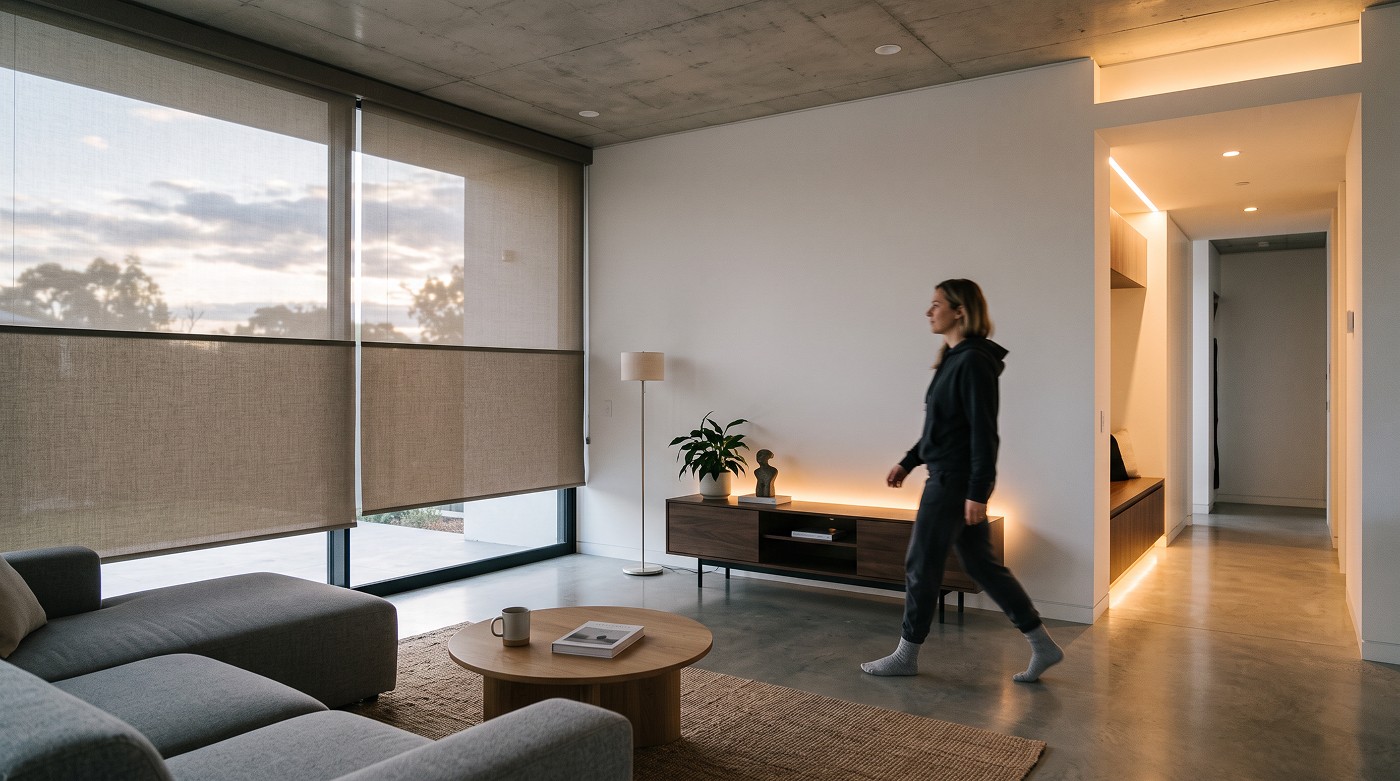
Table of Contents
No anchors found on page.
The big conversation around energy-efficient homes has changed a bit.
A few years ago, most people heard “home upgrade” and thought insulation, windows or maybe a heat pump if the house was going through a major overhaul.
Now the conversation is getting more practical.
It is not only about the big-ticket measures. It is also about whether the home actually runs well once those measures are in place. That is why smart controls, better lighting, and the electrical side of home upgrades are becoming a much bigger part of the story in 2026.
The short answer
If you want a home that is cheaper to run, easier to control and better prepared for future upgrades, smart controls and smarter electrical planning matter far more than they used to.
It is one thing to install new technology. It is another to make sure the house can actually use it properly.
That is where things like lighting controls, home automation, timed zones, EV charging readiness and more thoughtful electrical upgrades start to move from “nice extras” to sensible parts of a modern energy upgrade.
Why the Warm Homes Plan matters here
The Warm Homes Plan is getting attention because it makes home energy upgrades feel less like a niche conversation and more like a mainstream one.
But what makes it especially relevant is that it is not only about making homes more efficient in theory. It points toward homes that are more electrified, more controllable and more responsive in practice.
That matters because once a home starts moving toward cleaner electric systems, the controls and electrical setup around those systems start to matter more too.
In other words, the home needs to be able to run smarter, not just consume less.
Smart controls are becoming part of the normal home upgrade conversation
This is where a lot of people still underestimate the value.
When people hear smart controls, they sometimes imagine a very tech-heavy system with loads of apps and gadgets. In reality, the most useful smart controls are often the simplest.
They might include:
smarter heating controls
timed lighting schedules
grouped room lighting
dimming scenes
occupancy-based lighting in low-use areas
app-based control for key systems
easier control of exterior lighting
better coordination between charging, heating and day-to-day electricity use
That is not about showing off. It is about making the home easier to manage and less likely to waste energy.
On some projects, that might mean looking at established systems such as Niko Home Control, especially where the client wants a more joined-up way to manage lighting, switches, sensors and day-to-day home control. On other projects, a different automation platform may be the better fit. The important point is that the system should be chosen around the home, not forced into the project because it happens to be popular.
Lighting is a good example of where better control makes a real difference
This is one of the easiest parts of the home to improve, but it still gets overlooked.
A lot of homes have already moved to LED lighting, which is a good first step. But even efficient lighting can waste energy if it is badly zoned, left on unnecessarily, or still relying on one blunt switching pattern for the whole room or floor.
That is where better control comes in.
A smarter lighting setup can help by:
dimming spaces in the evening instead of blasting everything at full brightness
controlling different zones separately
scheduling outdoor lighting more sensibly
making open-plan areas easier to use
reducing wasted runtime in secondary spaces
This is also where good lighting design starts to overlap with energy performance. The layout still matters. The fittings still matter. But the controls are what make a good setup more useful every day.
Product choice matters, but it should follow the design
This is where lighting projects can go wrong if things happen in the wrong order.
People often start by choosing fittings, LED strips, profiles or smart switches before the lighting design has really been worked out. That can lead to products being selected too early, before anyone has properly decided what the room needs to do.
A better approach is to work out the design first, then choose the right products to support it.
For example, if a project needs integrated LED strip, feature lighting, recessed profiles, downlights or specialist drivers, suppliers such as ARC LED may be part of the conversation. But the product still has to serve the scheme. The goal is not to fill the house with more lighting. It is to use the right lighting, in the right places, with the right level of control.
That is why product choice, design and installation need to work together rather than being treated as separate decisions.
Electrification makes the electrical side more important
This is one of the biggest shifts in 2026.
As homes move toward more electric technologies, whether that is electric heating, EV charging, battery storage, smart controls or new forms of home energy management, the electrical system takes on a bigger role in the overall upgrade.
That means homeowners increasingly need to think about questions like:
is the consumer unit suitable?
will the home need additional circuits?
are the controls going to be simple enough to use properly?
does the electrical layout suit the way the house is actually lived in?
is the home ready for future upgrades, not just today’s ones?
That is why electrical planning is becoming more central to energy upgrades rather than sitting in the background as a separate issue.
For many homes, this may connect naturally with lighting and electrical installation, EV charging, automation and future-ready wiring. The more connected the home becomes, the more important it is that the electrical work behind it is planned properly.
Smarter homes are not always more complicated homes
This is worth saying, because it puts people off.
The best smart home upgrades are often the ones that reduce friction rather than add more of it.
That might mean a hallway light that comes on when needed and not when it does not. It might mean exterior lighting that follows a useful schedule. It might mean grouped kitchen lighting that behaves differently in the morning and evening. Or it might mean heating and hot water controls that are easier to manage than the old setup, not harder.
So when we talk about home automation or smart controls here, the point is not complexity.
The point is a home that behaves more intelligently and wastes less energy while doing it.
Volt East can work around the system, not the other way round
One of the most useful things about a well-planned electrical upgrade is flexibility.
Some homes may suit a more structured automation system. Some may need a simpler smart lighting setup. Others may involve higher-end controls, integrated LED details, multiple lighting scenes, external lighting or a mix of systems that all need to work together properly.
That is why the installation side matters so much.
A good approach is not limited to one manufacturer or one level of complexity. Whether the project involves a system such as Niko, specialist LED products, smart dimming, more traditional switching, or a more complex multi-zone setup, the aim should be the same: make the home easier to use, more efficient and better matched to the way people actually live.
This matters for everyday comfort as well as bills
A lot of people approach energy upgrades as purely financial decisions.
That makes sense, of course. Bills matter.
But the better projects usually improve more than that.
They make the home feel easier to use. More comfortable. More responsive. Better lit. Less wasteful. Better suited to how the household actually lives.
That is why practical upgrades like smart controls, improved lighting and stronger electrical planning often punch above their weight. They are not always the headline-grabbing part of the project, but they often shape the day-to-day experience more than people expect.
It is not only for major renovations
This is another useful point.
You do not have to be doing a full house refurbishment to benefit from this type of thinking.
Smarter electrical and control upgrades can make sense when:
you are updating a kitchen
you are reworking a living space
you are replacing old lighting
you are preparing for EV charging
you are improving an extension or garden room
you are replacing outdated controls
you want to modernise how the home feels without tearing everything apart
That is why this topic fits so well in 2026. It reaches people who are not necessarily planning a total rebuild, but do want their home to work better and cost less to run.
Where people still get it wrong
A few things come up again and again.
Assuming efficiency is only about products
Good products matter, but poor control can still waste energy.
Choosing systems before understanding the home
A smart control system should be designed around how the home is used. If the layout, lighting zones and everyday routines are not understood first, even a good product can feel awkward.
Upgrading one system without thinking about the rest of the home
A new technology is only as useful as the setup around it.
Making everything “smart” without a clear reason
The best results usually come from smart decisions, not maximum gadget count.
Leaving the electrical planning until late
That is often when good upgrade opportunities get missed.
Forgetting that the home still has to feel simple to live in
If the controls are confusing, people stop using them properly.
Why this is relevant now
The reason this article matters in 2026 is that home energy upgrades are starting to be seen more clearly as connected decisions.
A home is not just insulation, or just heating, or just lighting, or just controls.
It is a system.
And as that system becomes more electrified, the controls and electrical design behind it matter more. That is where smarter planning starts to make a real difference.
Final thoughts
The Warm Homes Plan is important because it pushes the UK conversation beyond basic energy efficiency and toward homes that are more practical, more electrified and better able to manage energy sensibly.
That is why smart controls and electrical planning are becoming more relevant, not less.
For homeowners, the takeaway is quite simple. If you are already thinking about energy upgrades, do not only focus on the headline measure. Think about how the house will actually run once the work is done.
That might include better LED lighting, smarter control, a system such as Niko Home Control where it suits the project, or specialist lighting products from suppliers such as ARC LED where the design calls for them. But the main thing is not the brand name. It is making sure the products, controls and electrical installation all work together.
Because a home that is smarter to control is often a home that is cheaper to run, easier to live in and better prepared for what comes next.